Commercial roofing work is decided by a small group of people: property managers, facility managers, asset managers, building owners and condo or HOA boards. Each of them looks after more than one roof. Most already have a roofer they call, right up until that roofer is slow, expensive or hard to reach. The goal of outbound is simple: be the name they already know on the day that happens.
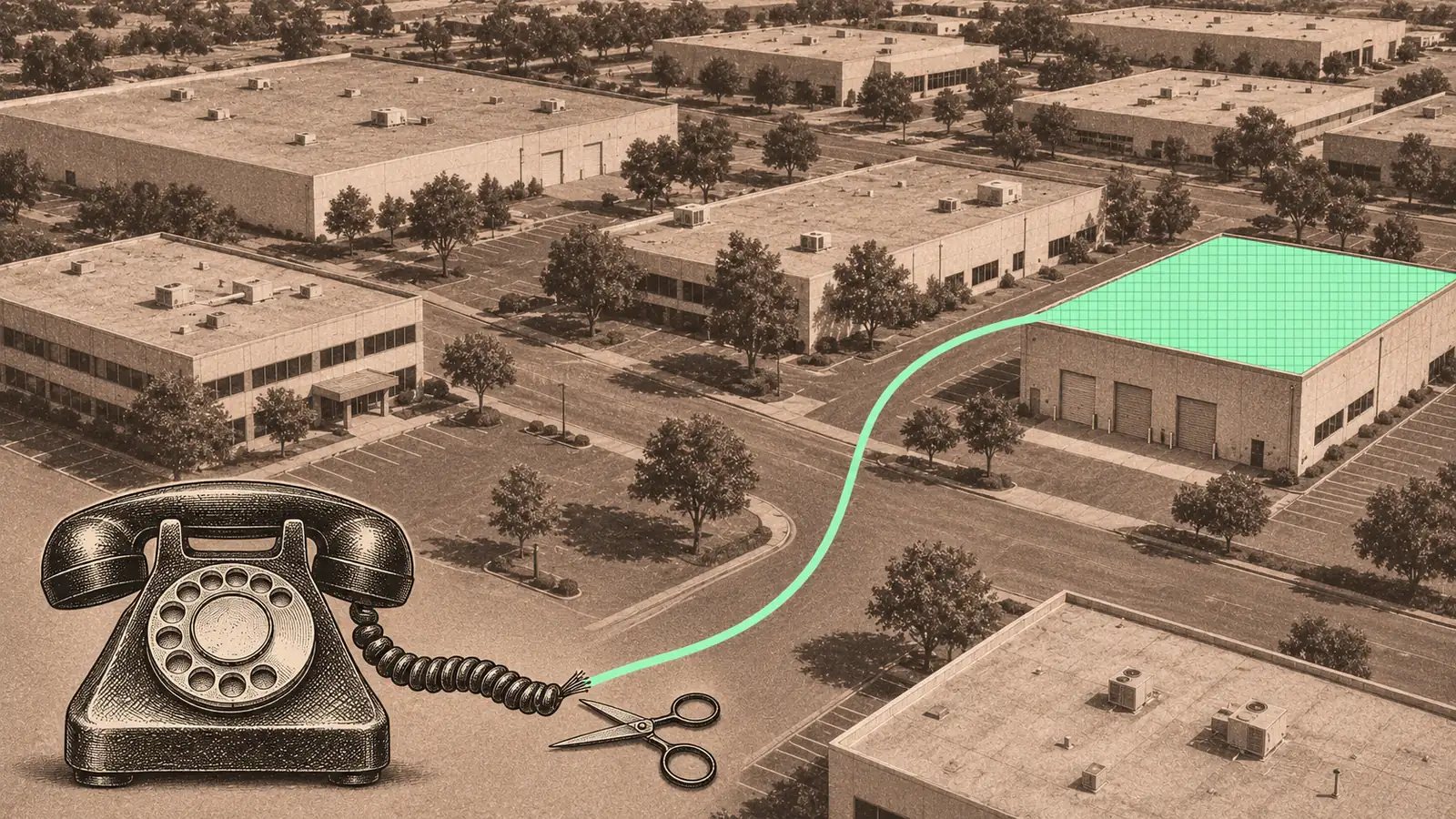
Cold calling a bought list rarely gets you there. You reach a front desk, ask for “whoever handles the roof”, and have nothing to say that the last five roofers didn’t. Here is a system that works better, step by step.
Why cold calling struggles in commercial roofing
Three things work against a cold call. First, you are often calling the wrong person: the owner of record may be an LLC, while the person who actually picks the roofer works at a management company across town. Second, you have no reason to be calling today, so the call is about you, not about them. Third, a single call is a single chance. If the timing is wrong, you are forgotten by Friday.
A good outbound system fixes all three: it finds the right person, gives them a reason to listen, and stays in touch until the timing is right.
Step 1: Start with the buildings, not a list of names
Before you contact anyone, work out which roofs in your area are likely to need attention soon. Public records get you most of the way:
- Roof permits. Where a re-roof permit is on record, you know exactly when the current roof went on.
- Aerial photos over the years. If a roof looks the same in every photo for a decade or more, it has probably not been replaced in that time.
- Property records. Year built, building type, roof size and who owns it.
Treat the result as an estimate, not a diagnosis. A roof that looks old on paper may have been recovered without a permit. The point is to decide where to spend your time, and an inspection confirms the rest.
Step 2: Find the person who actually decides
For each building, separate the owner from the manager. The owning company and its registered officers are in public records. The management company is usually on the building’s signage, website or leasing listings. For condos and HOAs, the board president and the community manager are the people to reach.
Then group buildings by person. One property manager might look after a dozen roofs in your area. That changes the maths: a single good relationship can lead to years of work across a whole portfolio, which is why commercial outreach is worth doing carefully.
Step 3: Write about their roof, not your company
The first message should be short, specific and about something they care about. Compare these two openers:
The second one gives Dana a reason to reply and a low-effort next step. Keep it to a few lines, make one ask, and send it from a real person at your company, in your company’s name.
Step 4: Use several channels, spaced out
Busy managers miss things. A light, polite mix of channels over a few weeks gives them several chances to notice you without feeling chased:
- A short introduction email about their building.
- A LinkedIn connection with a one-line note.
- A printed mailer that mentions the property by name.
- A follow-up email with something useful, like what you would check on that roof type.
- A phone call, once they have seen your name a few times.
Commercial contacts can be emailed, but do it properly: follow the CAN-SPAM rules (an honest sender and subject line, your physical address, and a working way to opt out), and stop the moment someone asks you to.
Step 5: Treat “not now” as a date
Many property managers plan capital work a year or more ahead. When someone says “not this year”, ask when they set next year’s budget and put a reminder in your system for a few weeks before. Offer a free condition report in the meantime so you are part of the plan when it is written.
This is where most roofers lose the work: not in the first message, but in the follow-up that never happens because nobody remembered. Write every reply, building and next step down in one place.
Step 6: Measure conversations, not opens
Open rates and clicks are easy to count and tell you very little. Track the numbers that lead to revenue: replies, inspections booked, quotes sent and jobs won, by building and by manager. After a few months you will see which areas, building types and messages are worth doubling down on.
How Gateway Apex does this
Gateway Apex runs this system for roofers across the US. Your Market Map scores every building in your area by estimated roof age and shows who to ask for, and our commercial outreach starts the conversations in your name. Want to see what it finds in your area? Start with a free market report.